

Protect GNSS-dependent systems from manipulated position and time. GPSPATRON detects spoofing in real time — including sophisticated coherent attacks — and gives operators the data needed to investigate and respond.
A complete platform for detecting GNSS jamming and spoofing — combining fixed and mobile sensors, cloud software, mobile apps, and interference simulation tools.
Unsure where to start?
Book a quick 15-minute consultation now!
Products
GNSS Monitoring & Analysis Software
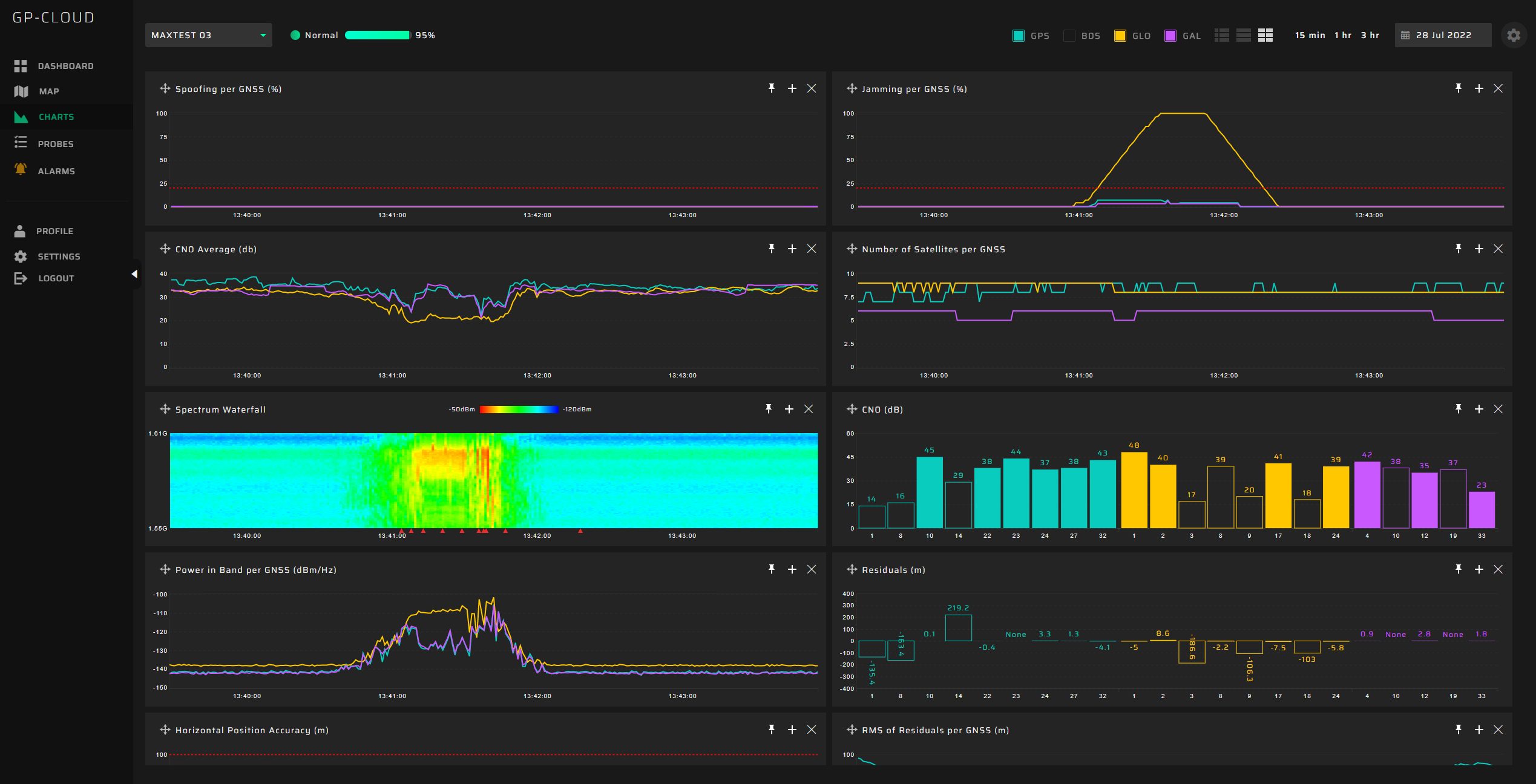
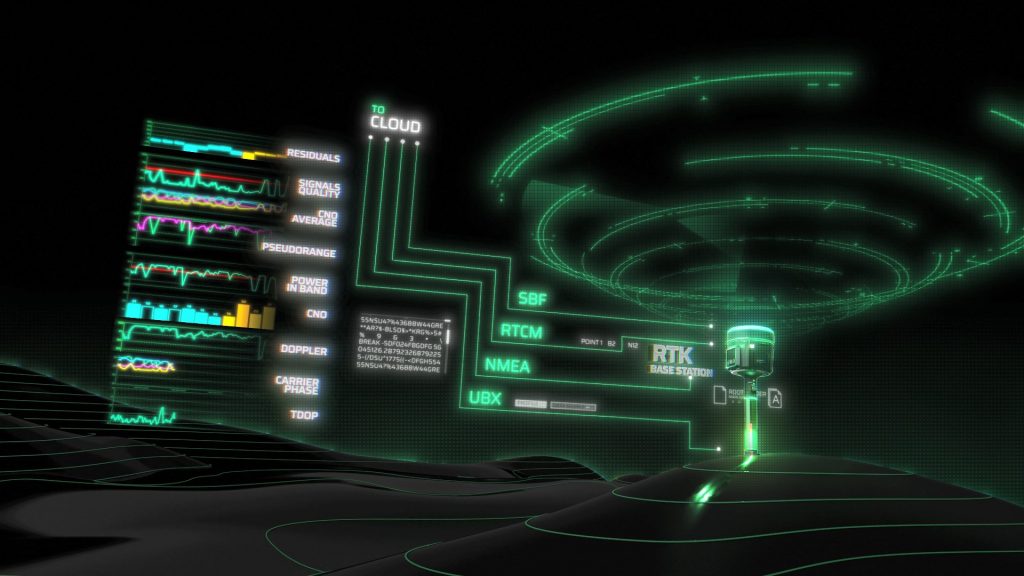
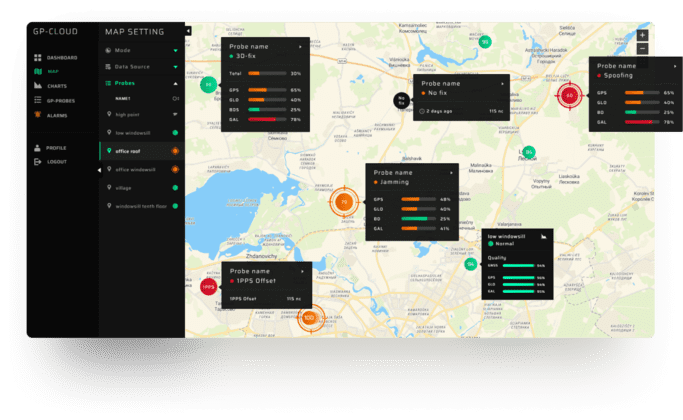
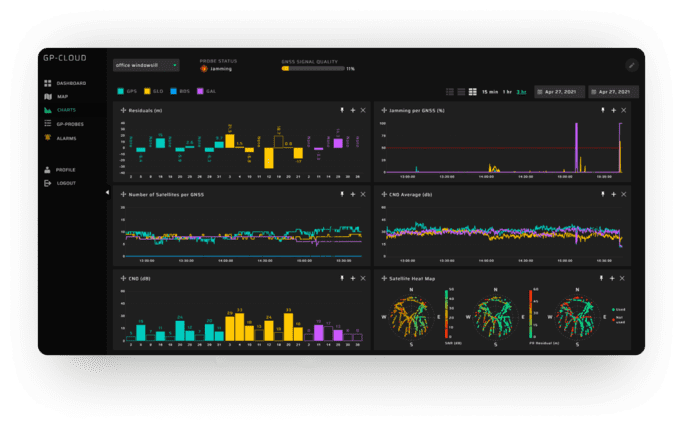
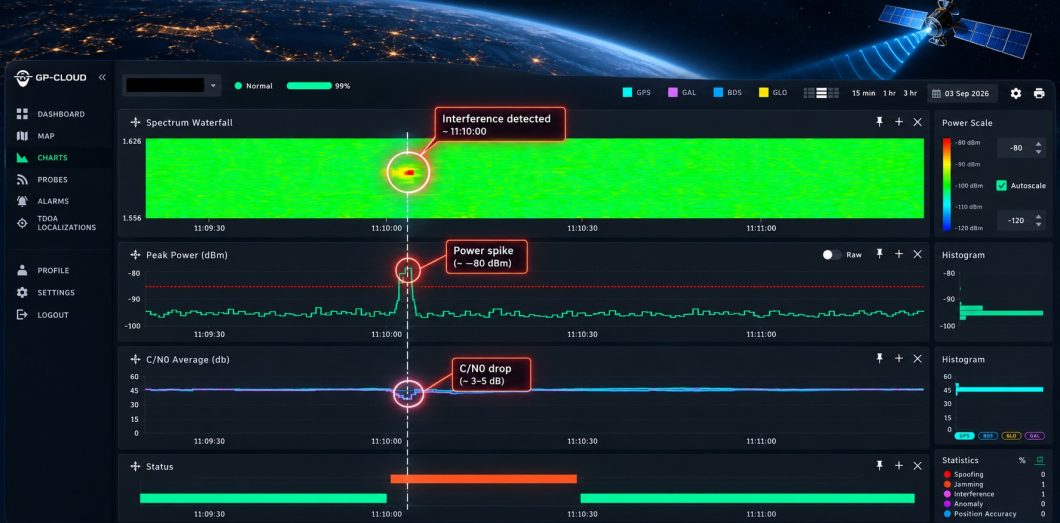
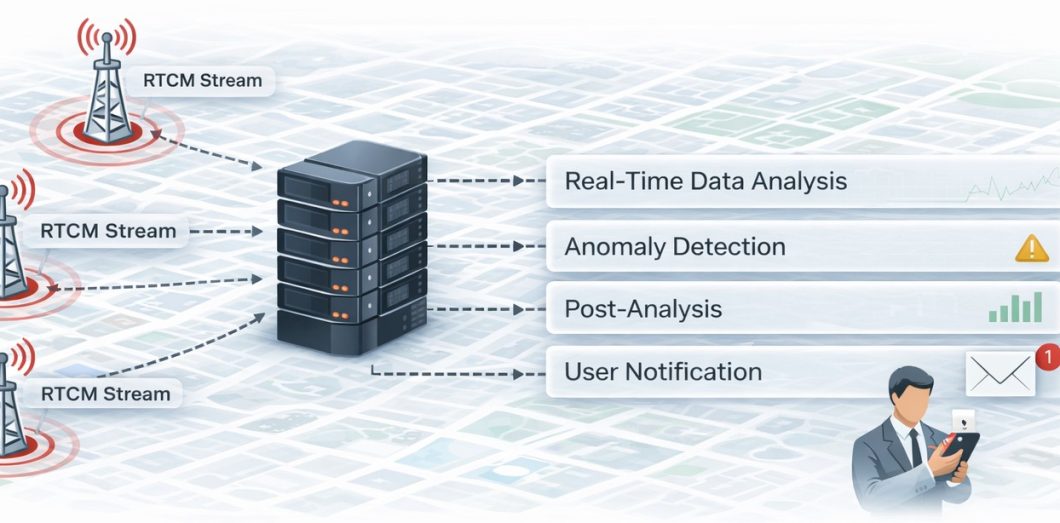
Centralize data from GPSPATRON detectors and third-party GNSS receivers to monitor signal quality and detect interference in real time, while preserving the data needed for detailed incident investigation.
Functions:
- Real-time monitoring, event detection, and alerting
- Interference classification, analysis, and localization
- Historical data, maps, dashboards, and API integration
GNSS Interference Detectors
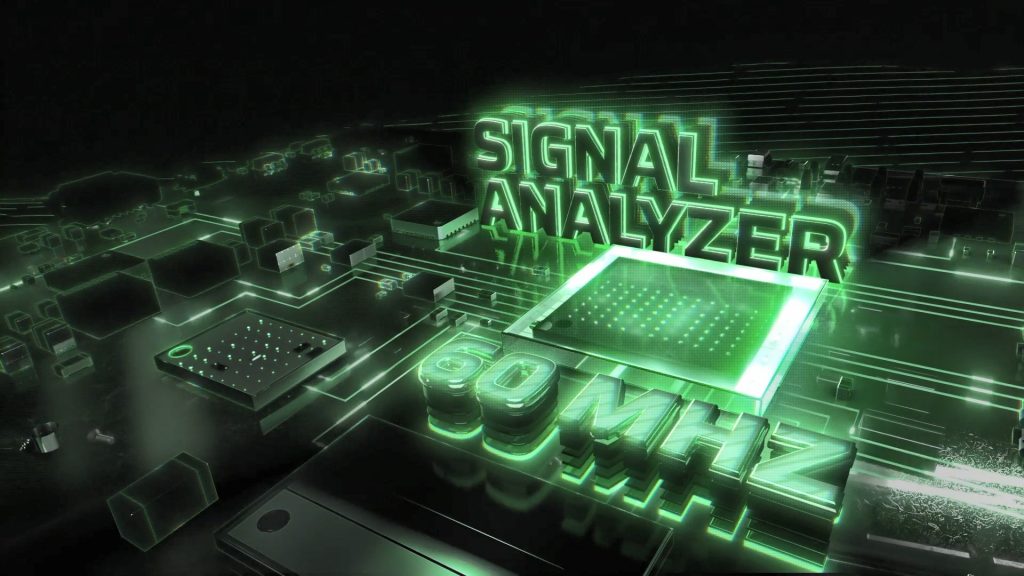
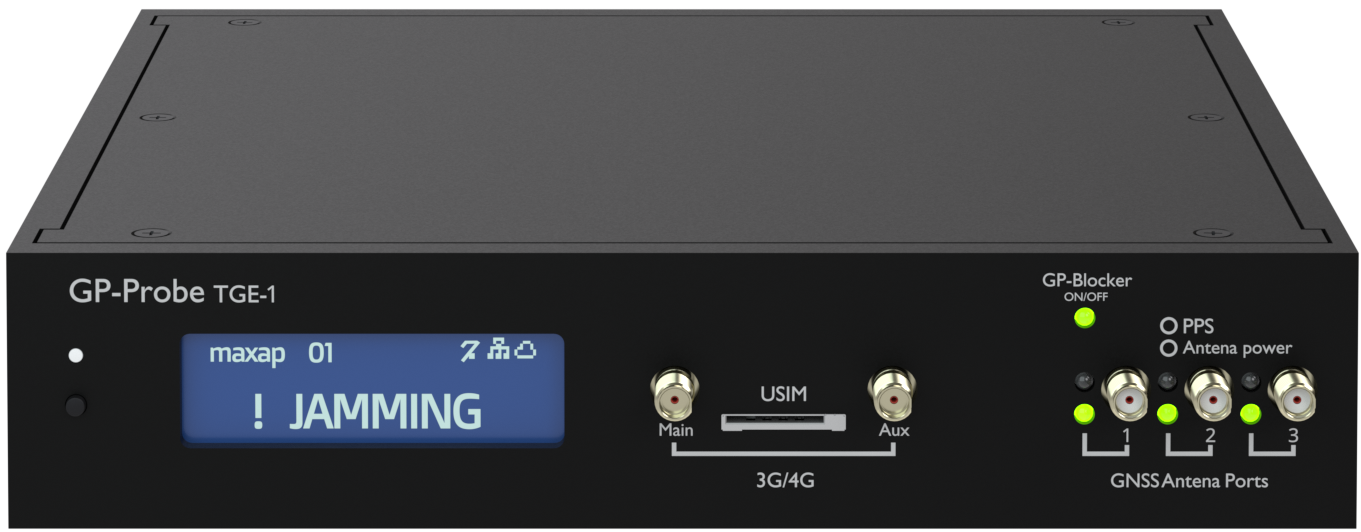
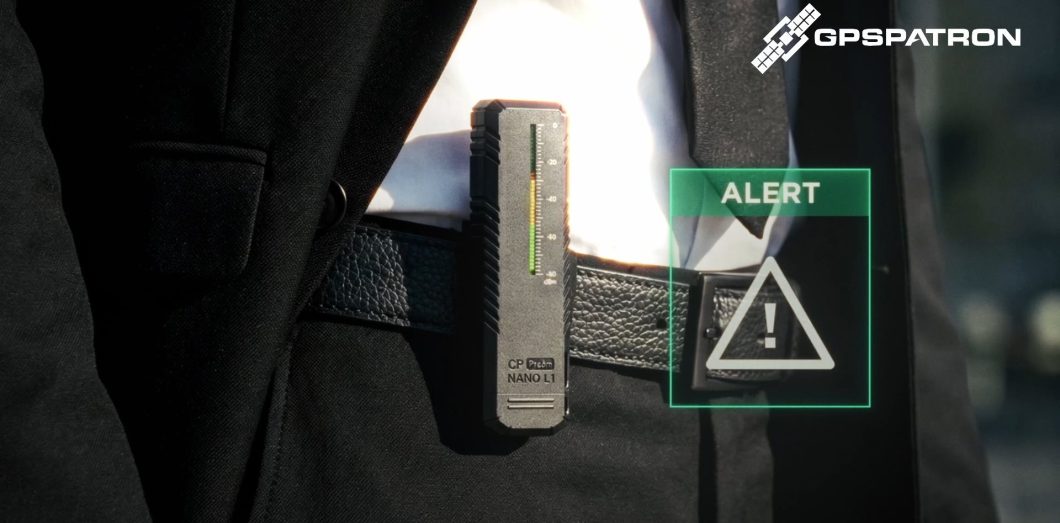
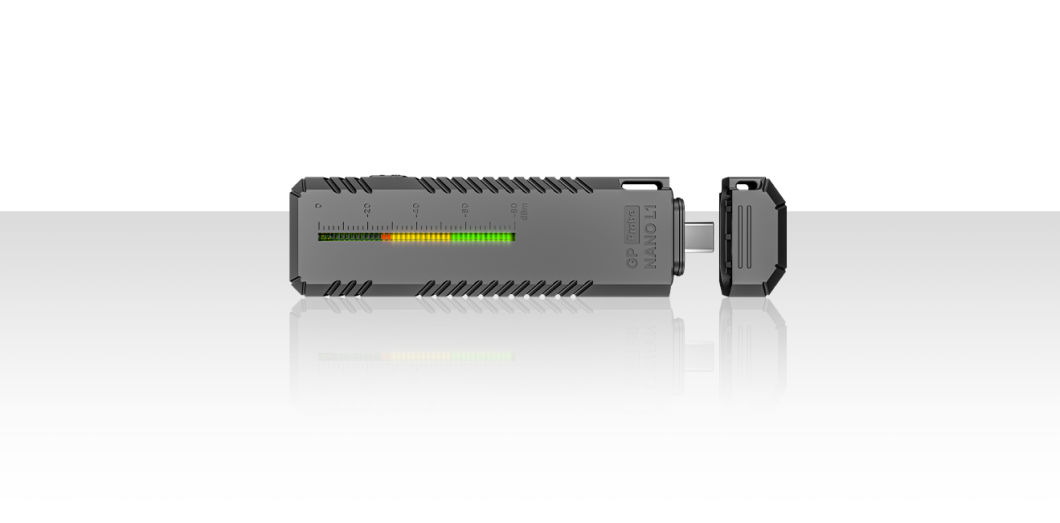
Deploy dedicated GNSS detectors across your infrastructure to continuously monitor jamming, spoofing, and signal anomalies. Choose from fixed, portable, and mobile devices for different environments and operational needs.
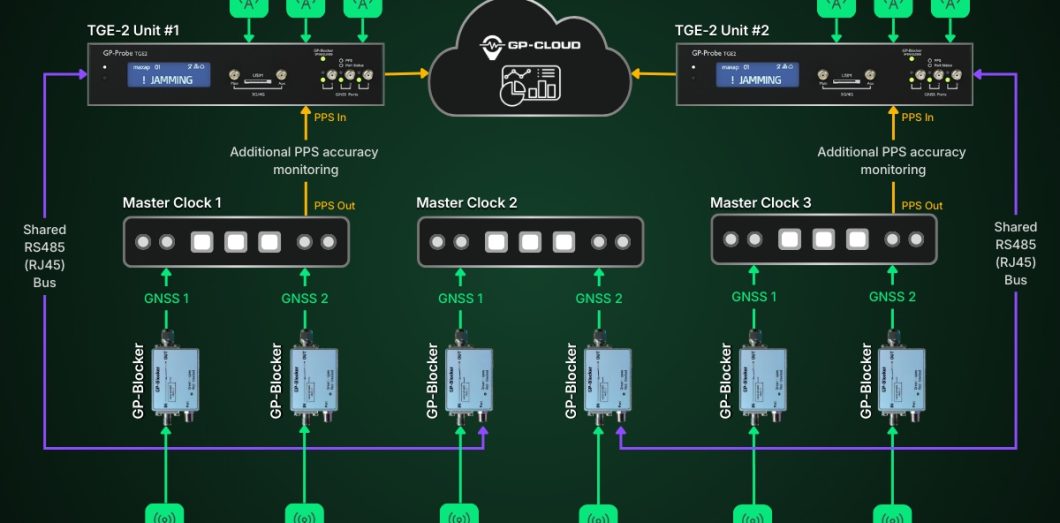
- Centralized monitoring and analysis in GP-Cloud
- Scalable from single-site to distributed deployments
- Designed for airports, telecom networks, ports, defense facilities, and other GNSS-dependent infrastructure
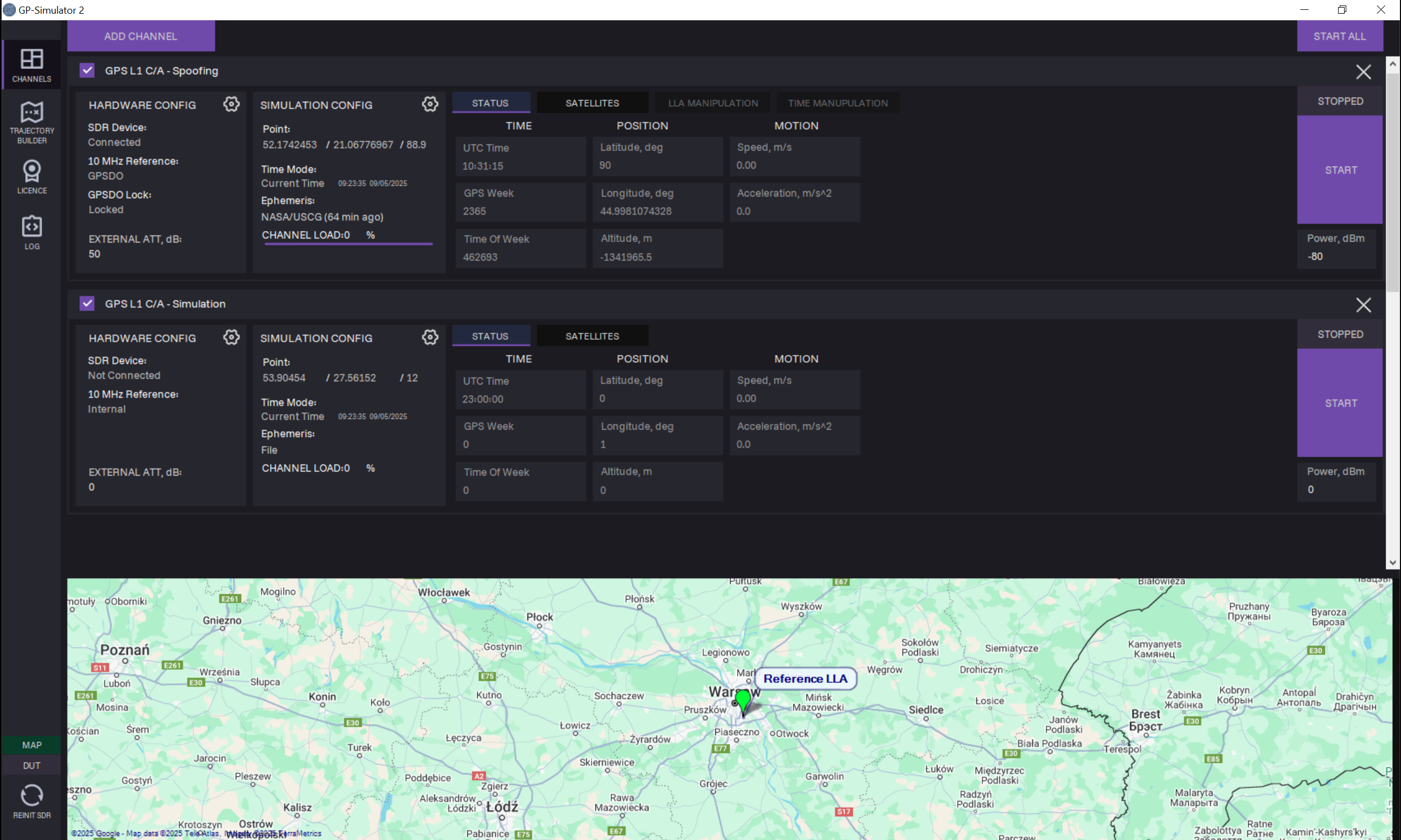
GNSS Spoofing & Jamming Simulators
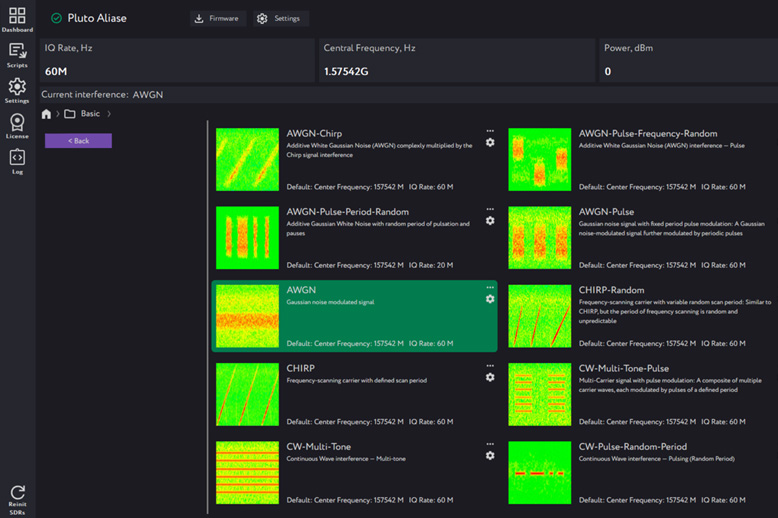
Test how GNSS-dependent systems perform under realistic spoofing, jamming, and RF interference before they are exposed to these threats in operation.
- Spoofing and jamming simulation for GNSS resilience testing
- RF jammer simulation: 70 MHz – 6 GHz
- Open-source interference library
Industrial Applications

Financial Services
Based on MiFID II and SEC 613 regulation, financial service firms in Europe and the US must comply …

GPSPATRON helps to obtain the mandatory precision from GNSS in difficult jamming conditions, an inferior GNSS antenna placement, and even under spoofing ...

Data Centers
Data centers require sub-millisecond precision timestamping ...

DVB-T/T2
Digital broadcasting in Single Frequency Networks (SFN) mode like DVB-T/T2, T-DMB, DAB, or DRM requires ...

Airports
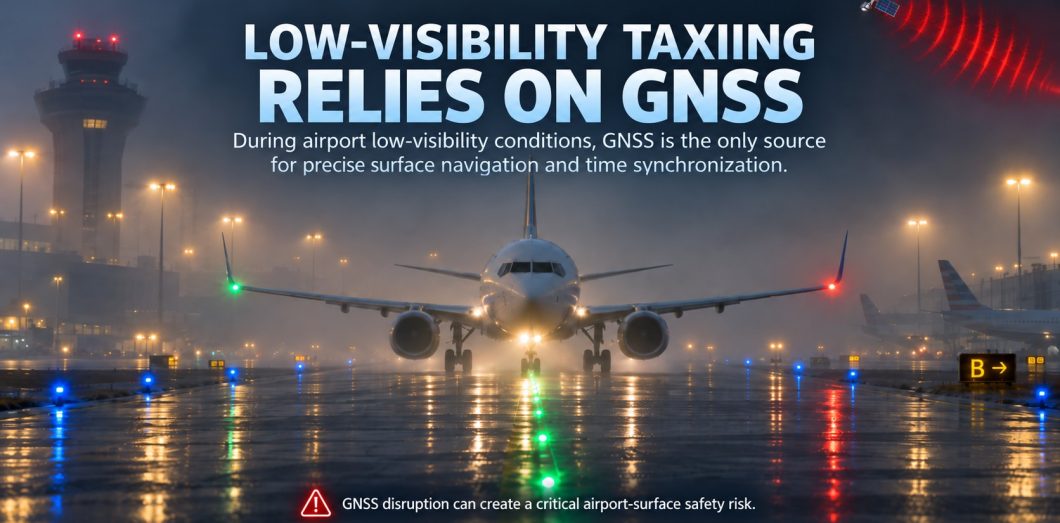
According to ICAO Annex 10 requirements, airports need to implement ...

Marine
GNSS is applied to diverse marine applications such as navigation, seafloor mapping ...

Railway
GNSS is utilized to track trains on low-density line networks. Automatic Train Control Systems use GNSS to ...

Dangerous Goods Transportation
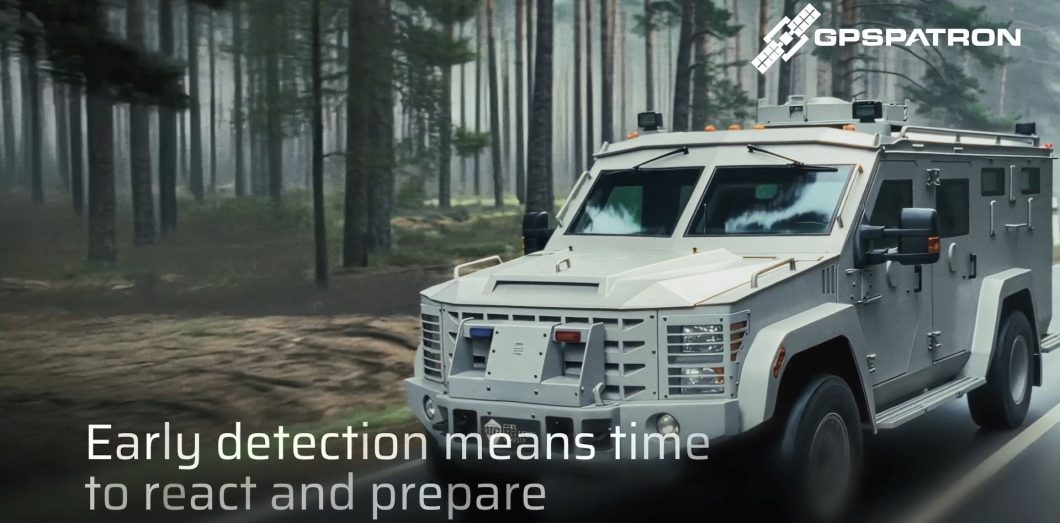
Transportation of dangerous goods is one of the leading security applications ...

Power Systems
Time synchronization distortion of Phasor Measurement Units can lead to ...

Network RTK
GNSS RTK network is a critical part of many applications with precise, real-time positioning requirements ...

Autonomous Machines
The success of autonomous machines requires uncompromised accuracy and reliability of the GNSS...

Telecom
In telecom (3G, 4G, SATCOM, PMR, PSTN), GNSS is utilized for ...

Spectrum Monitoring
GPSPATRON can be utilized for interference monitoring for GNSS bands ...

Armed Forces
The armed forces actively use GNSS spoofing during exercises, operations, and to protect bases against drones ...
GNSS Interference? Talk to the Experts.
Experiencing navigation issues, poor GNSS signal quality, jamming, or spoofing? GNSS signal integrity is our sole focus. Let’s discuss your challenges and find the right solution.
20+ Deployments Worldwide
Developing GNSS interference detection technology since 2018, GPSPATRON has delivered deployments of different scales worldwide. Many are protected by NDAs. Here are a few of the organizations we’ve worked with.











Global Partner Network
Connect with our authorized partners and system integrators worldwide to find the right GPSPATRON solution for your needs.
Blog






F.A.Q.
GNSS interference is any radio-frequency disturbance that affects GPS, Galileo, GLONASS, BeiDou, or other satellite navigation signals. It can degrade positioning and timing accuracy or cause GNSS-dependent systems to lose navigation completely.
Jamming blocks or degrades GNSS reception with interference. Spoofing generates counterfeit GNSS signals that can make a receiver calculate incorrect position or time.
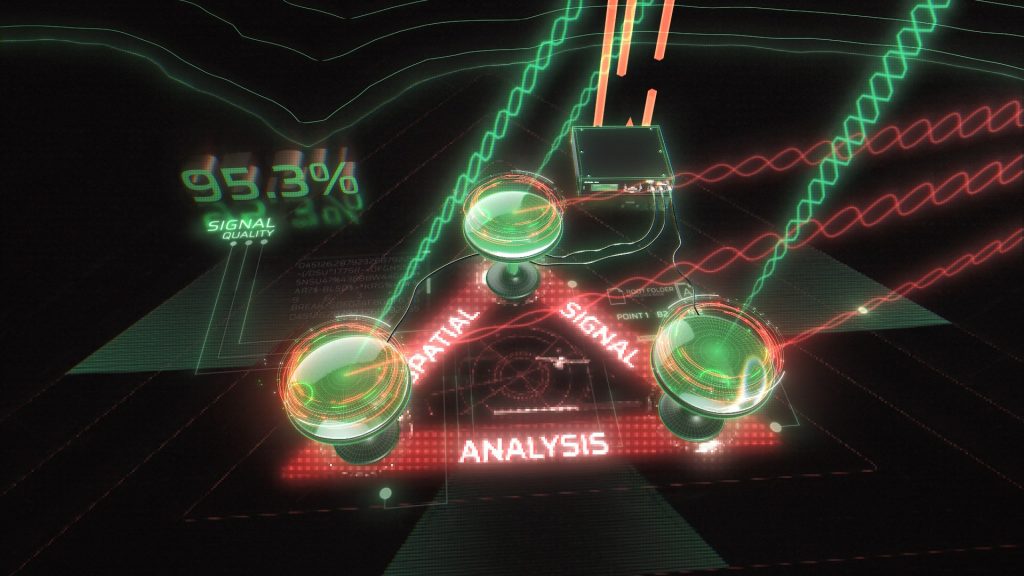
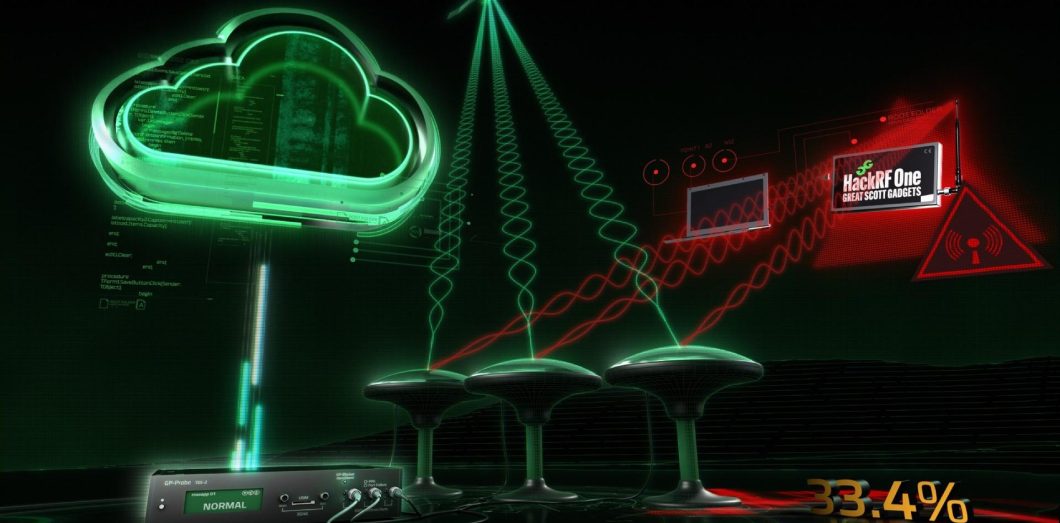
Detection combines RF spectrum monitoring with analysis of GNSS signal parameters such as signal strength, satellite measurements, position accuracy, and timing. More advanced systems can also identify sophisticated spoofing attacks using multiple antennas and spatial signal analysis.
GPSPATRON detects GNSS jamming, spoofing, RF interference, signal anomalies, position accuracy degradation, and timing anomalies. Detected events can be monitored and investigated centrally in GP-Cloud.
Detectors can be installed at airports, telecom networks, ports, data centers, power infrastructure, military facilities, transport systems, and other GNSS-dependent sites. Fixed, portable, and mobile deployment options are available.
Yes. GP-Cloud can process data from GPSPATRON detectors as well as supported third-party GNSS receivers and standard GNSS data interfaces, allowing monitoring to be added to existing infrastructure.
Yes. Multiple detectors can be combined to support interference localization, including TDOA-based methods for identifying the position of jamming or other RF interference sources.
Yes. GPSPATRON provides software-defined spoofing and jamming simulators for testing the resilience of GNSS receivers, drones, navigation systems, communication equipment, and other GNSS-dependent technologies.